What Does Regenerative Mean in Fashion and Fibre?
CULM · 28 Aug 2026
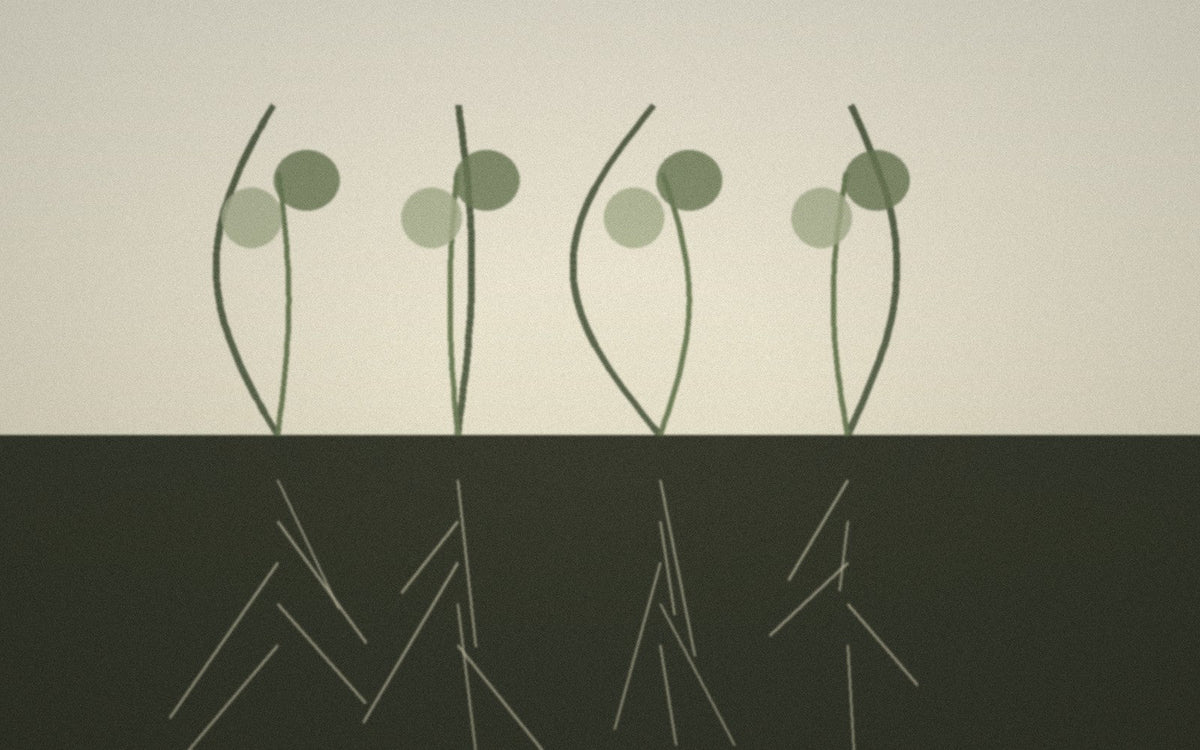
“Regenerative” should describe a set of practices and outcomes, not act as a decorative synonym for natural. In clothing, the word is often used in connection with farming, soil, biodiversity, fibre sourcing and land-management systems.
Is a natural fibre automatically regenerative?
No. A fibre can come from a plant or animal without being produced under a regenerative system. The fibre name tells you the biological source; it does not prove the farming method, land outcomes or traceability behind it.
What can regenerative refer to?
Depending on the system, regenerative approaches may focus on soil health, crop diversity, reduced disturbance, water management, biodiversity, grazing practices or other land-based outcomes. The exact practices vary by crop, climate and region.
Why is evidence important?
Because broad sustainability language can become meaningless when it is not linked to a place, supplier, standard, measurement or clearly described practice. A useful claim should answer: what is being regenerated, where, how, and according to what evidence?
Does regenerative describe the whole garment?
Usually not by itself. Even if fibre farming follows a regenerative approach, the garment still passes through fibre preparation, spinning, dyeing, finishing, sewing, transport and care. Those stages should not disappear behind one positive word.
How should a brand communicate regenerative materials?
With specificity. Name the fibre, origin where known, farming or sourcing system, supplier information and any relevant verification. If something is unknown, saying so is better than filling the gap with an assumption.
How does this connect with traceability?
Traceability makes stronger claims possible because it connects product information to actual stages in the supply chain. Read our clothing traceability guide and natural fibres guide.
For CULM, regenerative is most useful when it is treated as a question that requires evidence—not a badge that ends the conversation.